
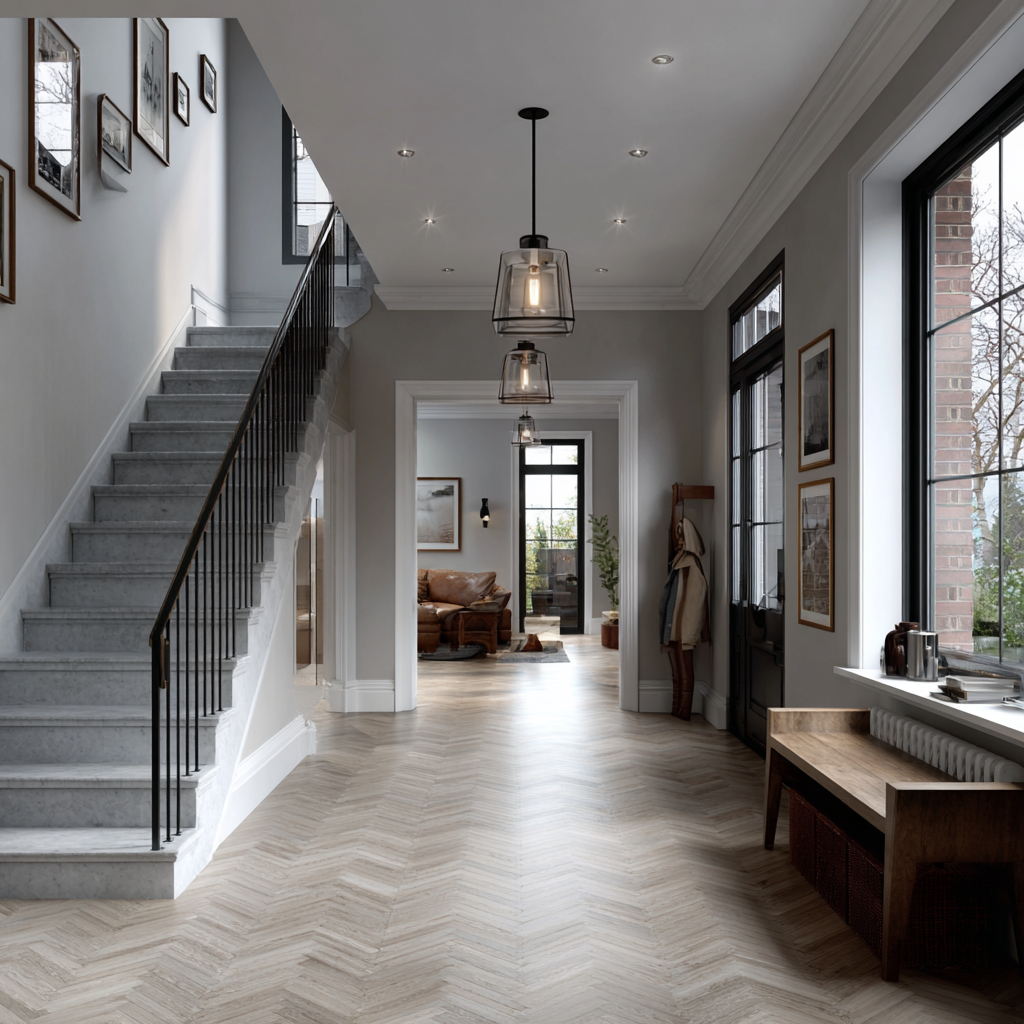
Classic materials like wood, stone and wrought create a timeless foyer.
This Image is an AI Rendering Created by Julie McNicol
Timeless Materials for Home Renovation: A Designer’s Guide
One of the most common concerns homeowners share during a renovation is this: “Will my home still look beautiful in ten years?”
In the excitement of selecting finishes, it’s easy to be drawn to what’s trending: bold tile patterns, fashionable metals, or the newest engineered surfaces. But trends change quickly. Materials that feel fresh today can start to look dated surprisingly fast.
After more than two decades working on luxury residential interiors, I’ve seen firsthand how the most successful homes rely on timeless materials for home renovation rather than fleeting design trends. The goal isn’t to avoid modern design, it’s to choose materials that age gracefully, develop character, and remain visually relevant for decades.
Thoughtfully selected classic interior materials also offer practical benefits. They tend to be more durable, easier to maintain, and often increase long-term property value. When a renovation is built on enduring materials, homeowners can update décor and furnishings over time without needing another major overhaul.
In this guide, we’ll explore the durable renovation materials designers consistently recommend—from natural stone and long-lasting flooring to classic hardware and finishes that support truly timeless interior design.
Why Trendy Materials Age Poorly
Every few years, a wave of materials becomes wildly popular, often thanks to social media, design shows, or new product launches. While these trends can feel exciting, they rarely age well in permanent elements like countertops, flooring, or built-in cabinetry.
The problem isn’t that trends are inherently bad. It’s that many are designed for visual impact rather than longevity. Highly patterned tiles, unusual finishes, or overly stylized fixtures can dominate a space. When tastes inevitably shift, those elements quickly signal the era in which the renovation was done.
Another issue is quality. Many trendy materials prioritize affordability and quick installation over durability. Thin laminates, low-grade composites, or heavily treated finishes may look impressive initially but often wear poorly over time.
In contrast, timeless materials for home renovation tend to share a few common characteristics:
- Natural origin or authentic texture
- Neutral, adaptable colour palettes
- Proven durability over decades
- Compatibility with multiple design styles
When homeowners focus on these principles, the result is a home that feels elegant and relevant long after design trends have moved on.
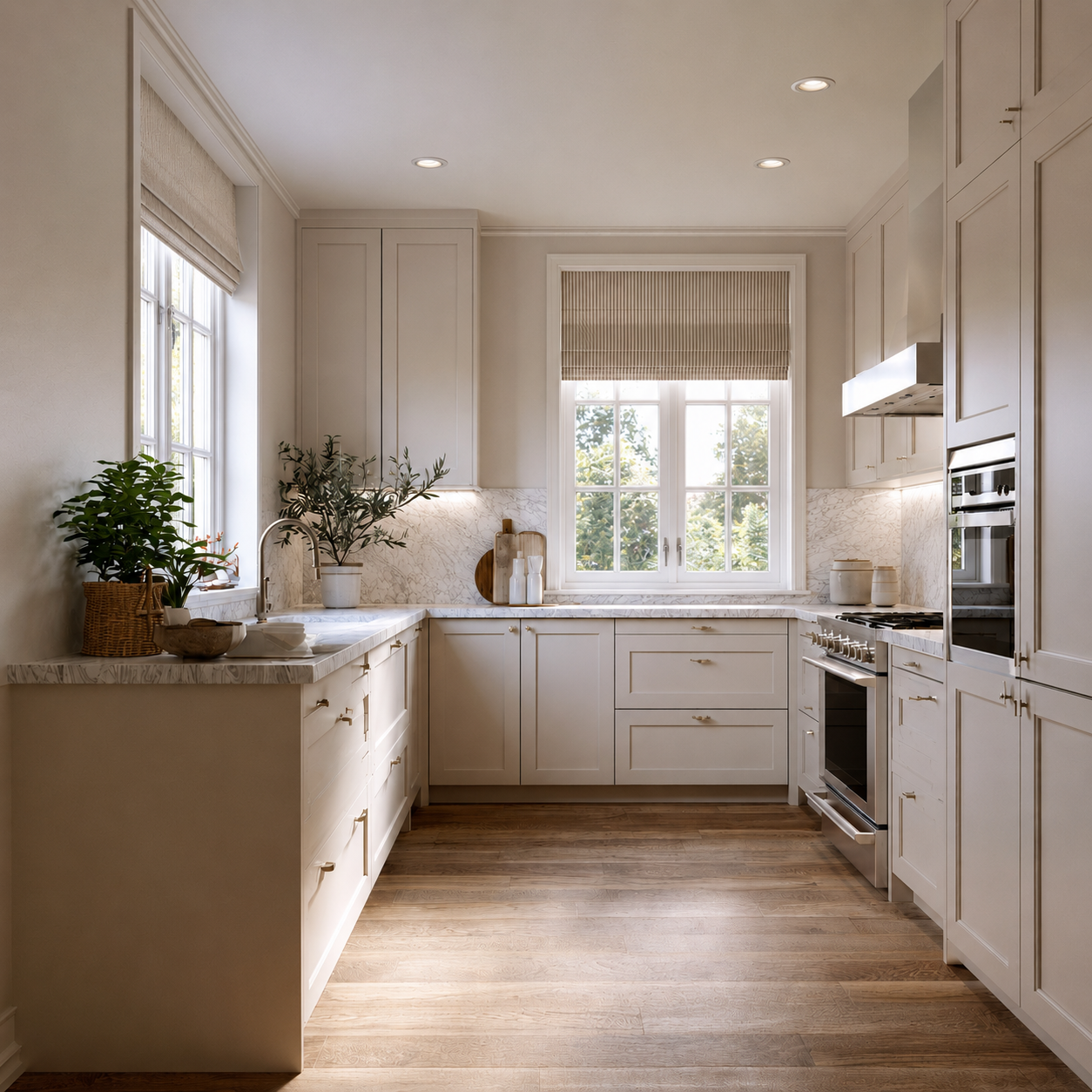
Natural stone countertops remain one of the most timeless kitchen materials.
This Image is an AI Rendering Created by Julie McNicol
Stone Surfaces That Age Beautifully
Natural stone has been used in architecture and interiors for centuries for a simple reason—it improves with age. Unlike synthetic materials that deteriorate or discolor, quality stone develops character over time.
Among the most reliable classic interior materials are marble, limestone, quartzite, and granite. Each offers a distinct aesthetic while maintaining exceptional durability.
Marble remains a favorite for bathrooms and kitchens because of its timeless elegance. Subtle veining and soft color variations give marble a natural depth that artificial materials struggle to replicate.
Quartzite, often mistaken for marble, offers similar visual beauty but with greater durability. It resists scratching and etching, making it ideal for high-use kitchens.
Limestone creates a softer, more relaxed atmosphere and works beautifully for flooring, fireplaces, and bathrooms. Its understated texture fits both traditional and contemporary interiors.
The key to incorporating stone successfully is restraint. Rather than mixing multiple stones with competing patterns, designers typically choose one dominant stone surface and allow it to become a quiet focal point in the space.
When used thoughtfully, stone becomes one of the most reliable durable renovation materials, capable of lasting generations.
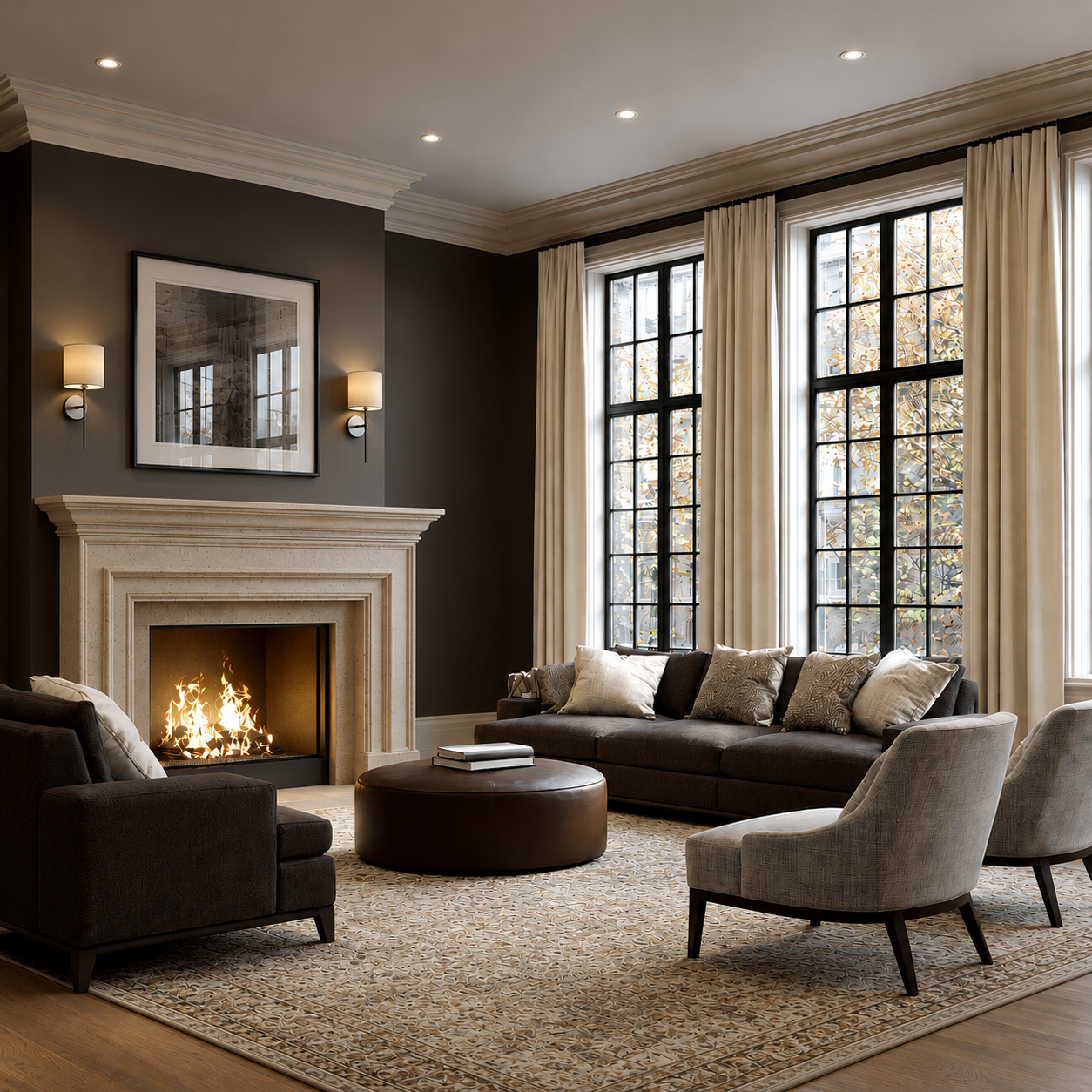
Limestone is a great choice for a fireplace mantel because it is timeless and works with both modern and traditional styles.
This Image is an AI Rendering Created by Julie McNicol
Flooring That Lasts Decades
Flooring is one of the most important investments in any renovation. It covers a large visual area, receives daily wear, and strongly influences the overall atmosphere of a home.
The most enduring flooring choice remains hardwood. Properly installed and maintained hardwood floors can last 50 to 100 years. They can also be refinished multiple times, allowing homeowners to update stain colors or restore worn areas.
Wide-plank oak flooring has become particularly popular in timeless interior design because it balances traditional warmth with modern simplicity. Oak’s natural grain is subtle enough to complement both classic and contemporary interiors.
Another long-lasting option is natural stone flooring, particularly limestone, travertine, or marble in entryways, kitchens, or bathrooms. These materials wear beautifully and develop patina over time.
When selecting hardwood or stone flooring, the key to longevity lies in avoiding overly trendy finishes. Extremely gray stains, high-gloss finishes, or unusual plank treatments often date a renovation quickly.
Instead, designers typically recommend:
- Natural or lightly stained wood tones
- Matte or satin finishes
- Classic plank widths
These choices ensure the flooring remains adaptable as furniture, lighting, and décor evolve over the years.
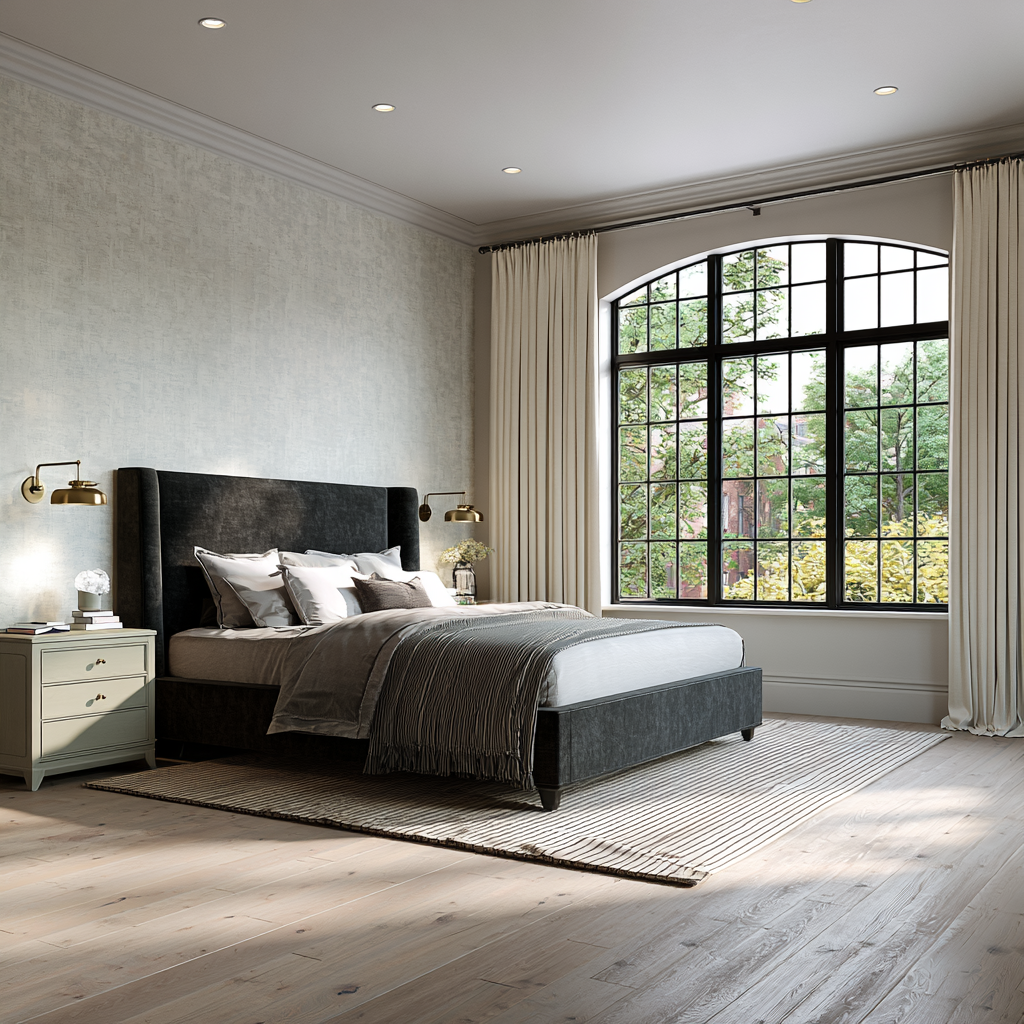
Hardwood flooring is one of the most durable renovation materials for long-term value.
This Image is an AI Rendering Created by Julie McNicol
Classic Hardware and Fixtures
Hardware and fixtures may seem like small details, but they have a surprisingly large visual impact in kitchens and bathrooms.
Because these elements are handled daily, they should balance durability with timeless style.
Among the most dependable classic interior materials for hardware are:
- Solid brass
- Polished nickel
- Aged bronze
- Stainless steel
These finishes have been used in interior design for decades because they complement nearly any material palette—from marble countertops to painted cabinetry.
Solid brass hardware, in particular, develops a natural patina over time that many homeowners find appealing. Polished nickel offers a slightly warmer alternative to chrome and pairs beautifully with traditional or modern interiors.
When choosing fixtures, simplicity is usually the best approach. Clean-lined faucets, understated cabinet pulls, and classic bridge faucets tend to remain visually relevant for many years.
This is another reason designers emphasize durable renovation materials. High-quality fixtures not only look better—they also perform better, requiring fewer replacements over time.
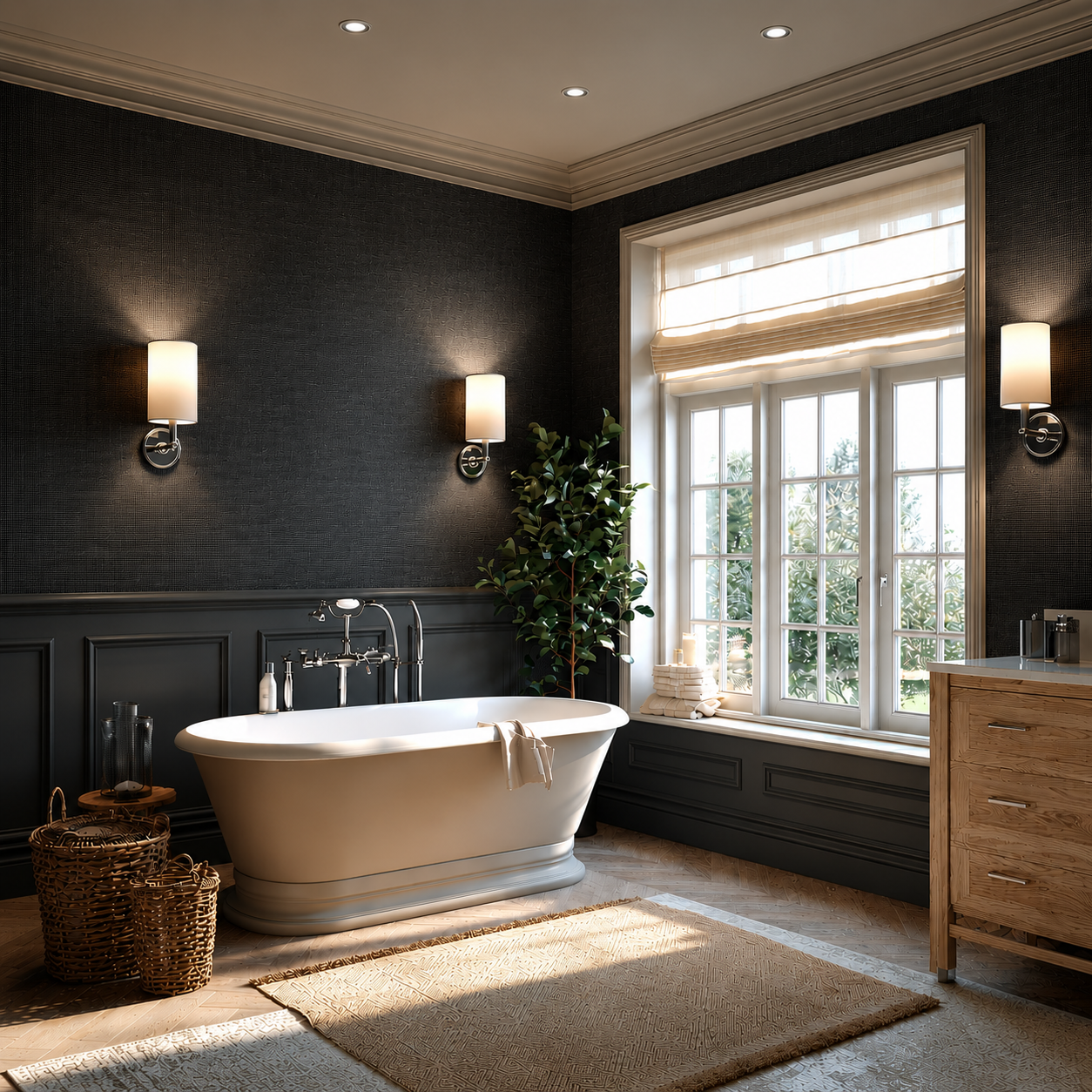
Polished nickel hardware and plumbing fixtures provide a classic balance against the darker tones in this space.
This Image is an AI Rendering Created by Julie McNicol
How to Mix Modern and Classic Finishes
Choosing timeless materials for home renovation doesn’t mean a home needs to feel traditional or conservative. In fact, the most sophisticated interiors often blend classic materials with modern forms.
The strategy is simple: anchor the space with timeless materials, then introduce contemporary elements through shapes, lighting, or furniture.
For example:
- A kitchen might feature classic marble countertops paired with sleek slab cabinetry.
- Wide-plank oak floors may be combined with modern lighting fixtures.
- Traditional limestone flooring can coexist with minimalist black steel accents.
This approach ensures that the foundational materials—the ones most expensive to replace—remain timeless. Meanwhile, smaller design elements can evolve over time as styles change.
This balance between enduring materials and modern details is at the heart of successful timeless interior design.
Designer’s Perspective
One lesson that consistently proves true across renovation projects is that homeowners rarely regret choosing quality natural materials.
I’ve worked on homes where marble floors installed decades ago still look extraordinary today, while trendy materials from only ten years ago already feel outdated. When clients prioritize durable renovation materials and classic finishes, the home gains a sense of quiet confidence that never feels tied to a specific era.
Timeless interiors don’t chase trends—they build on materials that have already stood the test of time.
Quick Checklist for Homeowners
When selecting timeless materials for home renovation, keep these principles in mind:
- Choose natural materials like stone and hardwood whenever possible
- Avoid heavily patterned or overly trendy finishes
- Select neutral tones that adapt to different design styles
- Invest in high-quality hardware and fixtures
- Use one dominant stone or material rather than many competing surfaces
- Favor matte or satin finishes over high-gloss treatments
- Balance classic materials with modern lighting or furnishings
FAQ Section
What are the most timeless materials for home renovation?
Natural materials like marble, limestone, quartzite, hardwood flooring, and solid brass fixtures are widely considered the most timeless materials for home renovation because they have been used successfully for decades and age beautifully over time.
Why are natural materials better for timeless interior design?
Natural materials have organic variation and depth that synthetic materials often lack. This makes them less likely to feel dated and allows them to work across multiple design styles, supporting long-term timeless interior design.
What flooring lasts the longest in a home renovation?
Hardwood flooring is one of the most durable renovation materials available. When properly maintained, it can last for generations and can be refinished multiple times to refresh its appearance.
Are trendy materials always a bad choice?
Not necessarily. Trend-driven materials can work well in small accents such as lighting, décor, or paint colors. However, permanent elements like flooring, countertops, and cabinetry benefit from classic interior materials that won’t quickly feel outdated.
How do you balance modern design with timeless materials?
The key is to use timeless materials for foundational elements—floors, stone surfaces, cabinetry—and introduce modern design through lighting, furniture, or decorative elements that can easily be updated later.
Need more Help? Get in touch!
A well-designed renovation should feel just as beautiful ten or twenty years from now as it does the day it’s completed. By focusing on timeless materials and thoughtful design decisions, homeowners can create interiors that age gracefully and support long-term comfort and value.
If you’re planning a renovation and would like professional design guidance on selecting materials that truly stand the test of time, explore our portfolio or book a consultation to discuss your project. Thoughtful material choices today can shape the character of your home for decades to come.